What Is the Difference Between Solid & Engineered Hardwood?
Choosing hardwood flooring for your home is an investment in beauty and longevity. At Ottawa Diamond Flooring, we’ve helped countless homeowners and designers transform their spaces with timeless wood floors. One of our most common questions is: What’s the difference between solid and engineered hardwood?
While both are excellent options that offer natural beauty and value, they each have unique characteristics that make them suitable for different environments, installation methods, and lifestyle needs. Understanding these differences is the key to making the right choice for your space.
What Is Solid Hardwood?
Solid hardwood is just what it sounds like—planks made from a single, solid piece of natural wood. It’s milled from oak, maple, hickory, or walnut and is typically available in thicknesses of ¾ inches.
Because solid hardwood is a single piece of wood throughout, it can be sanded and refinished multiple times over its lifespan. This gives it a long-lasting appeal and makes it a great option for those planning to stay in their home for many years.
Solid works best in areas where humidity and temperature are relatively stable, such as living rooms, bedrooms, and hallways. It is generally not recommended for basements or below-grade installations, where moisture can cause the wood to expand or contract.
What Is Engineered Hardwood?
Engineered hardwood is constructed with a real wood veneer on top of several layers of high-quality plywood or fiberboard beneath. These layers are bonded in a cross-grain configuration, giving engineered hardwood better dimensional stability than solid wood.
This construction makes engineered hardwood more resistant to humidity and temperature changes. As a result, it’s a better choice for areas like basements, kitchens, or homes with radiant heating systems. It can also be installed over concrete slabs, which isn’t possible with traditional solid hardwood.
While engineered can usually be refinished at least once, its thinner top layer limits it compared to solid hardwood. However, with high-quality products and proper care, engineered floors can still last for decades.
Appearance and Style Options
Solid and engineered hardwood offer the same natural look and feel since the surface layer is real wood in both cases. At Ottawa Diamond Flooring, we carry various styles, species, stains, and finishes for both types. Whether after a rustic, hand-scraped look or a sleek, modern finish, you’ll find an option that fits your design goals.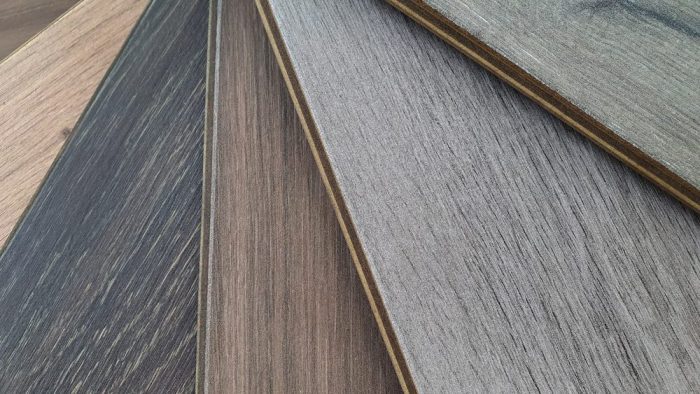
With advancements in manufacturing, it’s often difficult to tell the difference between solid and engineered just by looking. Both can be installed in wide planks, matte or glossy finishes, and various textures. The choice is based on where and how the flooring will be used rather than its appearance.
Installation Flexibility
Installation methods vary between the two. Solid is typically nailed or stapled to a wood subfloor, requiring more time and precision. It also needs time to acclimate to the home’s environment before installation.
Engineered, on the other hand, offers more installation flexibility. It can be nailed, glued, or floated over various subfloors, including concrete. This makes engineered hardwood a go-to option for renovations, condos, and newer builds with slab foundations.
At Ottawa Diamond Flooring, our installation team can help assess your space and subfloor conditions to recommend the best approach, ensuring a flawless result and a secure, lasting floor.
Cost Considerations
Cost is another factor that affects differences. Engineered hardwood is often more affordable than solid hardwood regarding material and installation. The layered construction makes better use of wood resources, and the simpler installation process can help reduce labor costs.
However, long-term value should also be considered. Solid hardwood may have a higher upfront cost, but its ability to be refinished multiple times may provide more value over several decades.
We work with each client’s budget and goals to balance aesthetics, durability, and cost. Whether planning a whole-home remodel or updating a single room, we help you make the most of your investment.
Which One Is Right for You?
There’s no one-size-fits-all answer. If you’re renovating a second-floor bedroom and want a floor you can refinish down the road, solid hardwood may be ideal.
If you’re finishing a basement or want greater moisture resistance in your kitchen, engineered hardwood could be the smarter choice.
At Ottawa Diamond Flooring, we take the time to learn about your home, lifestyle, and long-term plans. Our team is always available to answer your questions, show you samples, and help you compare options side by side.
When you work with us, you’re not just buying flooring—you’re partnering with a local company committed to quality, service, and beautiful results that stand the test of time. Contact us today to get started.